Investment Scam Red Flags: How to Spot Them
Scams copy real investments, but they share warning signs. Learn six red flags and a four-step check to run before you send money anywhere.
Investment scams are common and getting more convincing. Fake websites, polished dashboards and friendly messages make it hard to tell a real fund from a fraud. The good news is that most scams share the same warning signs. Learn them, and you can spot most traps before you lose money.
Why scams work
Scammers rely on emotion, not logic. They create excitement (“easy profits”), urgency (“only today”) or trust (“a friend is already in”). When you feel rushed or excited, you check less. That is the moment to slow down.
The core idea: if it sounds too good to be true
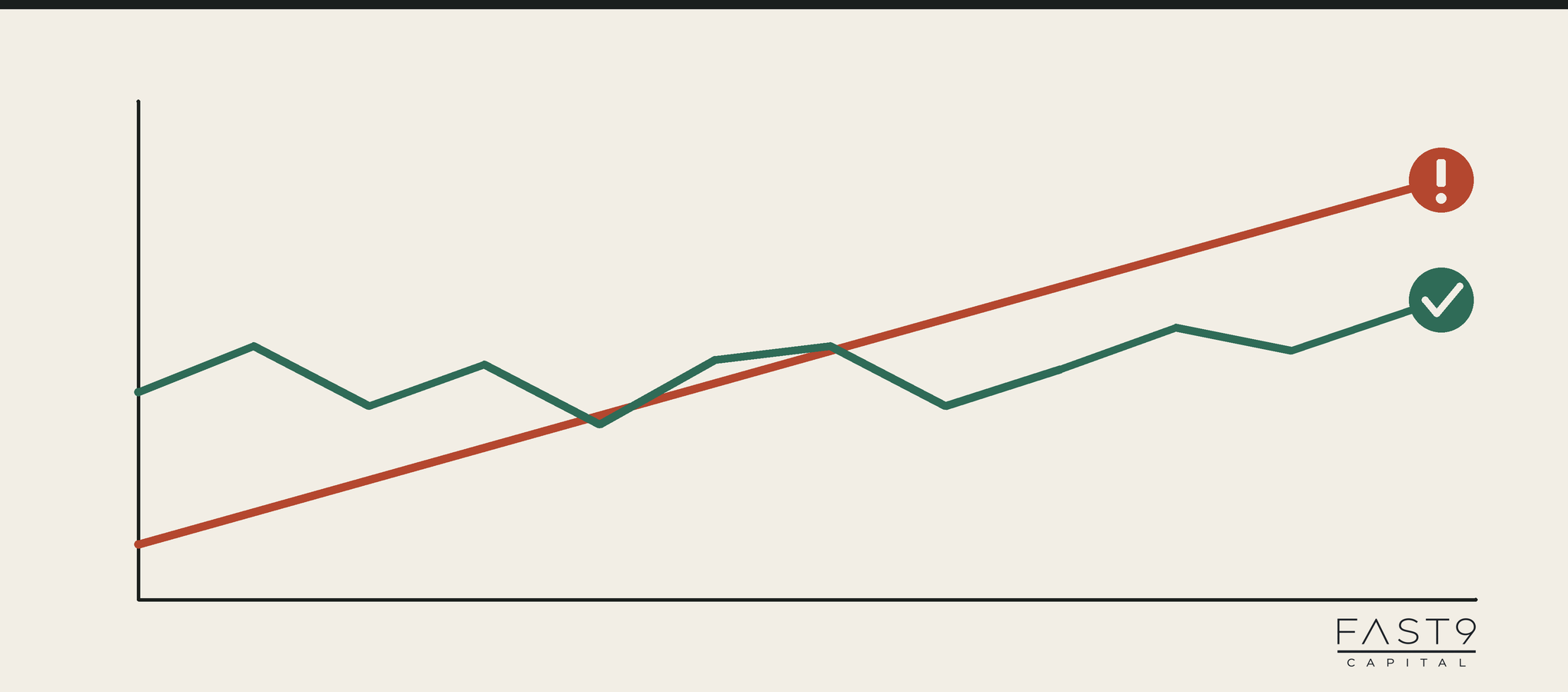
Real investments move up and down. A scam often shows a perfectly smooth, steady climb. If the returns look too smooth, too high or too certain, treat that as a warning, not a selling point.
Six red flags
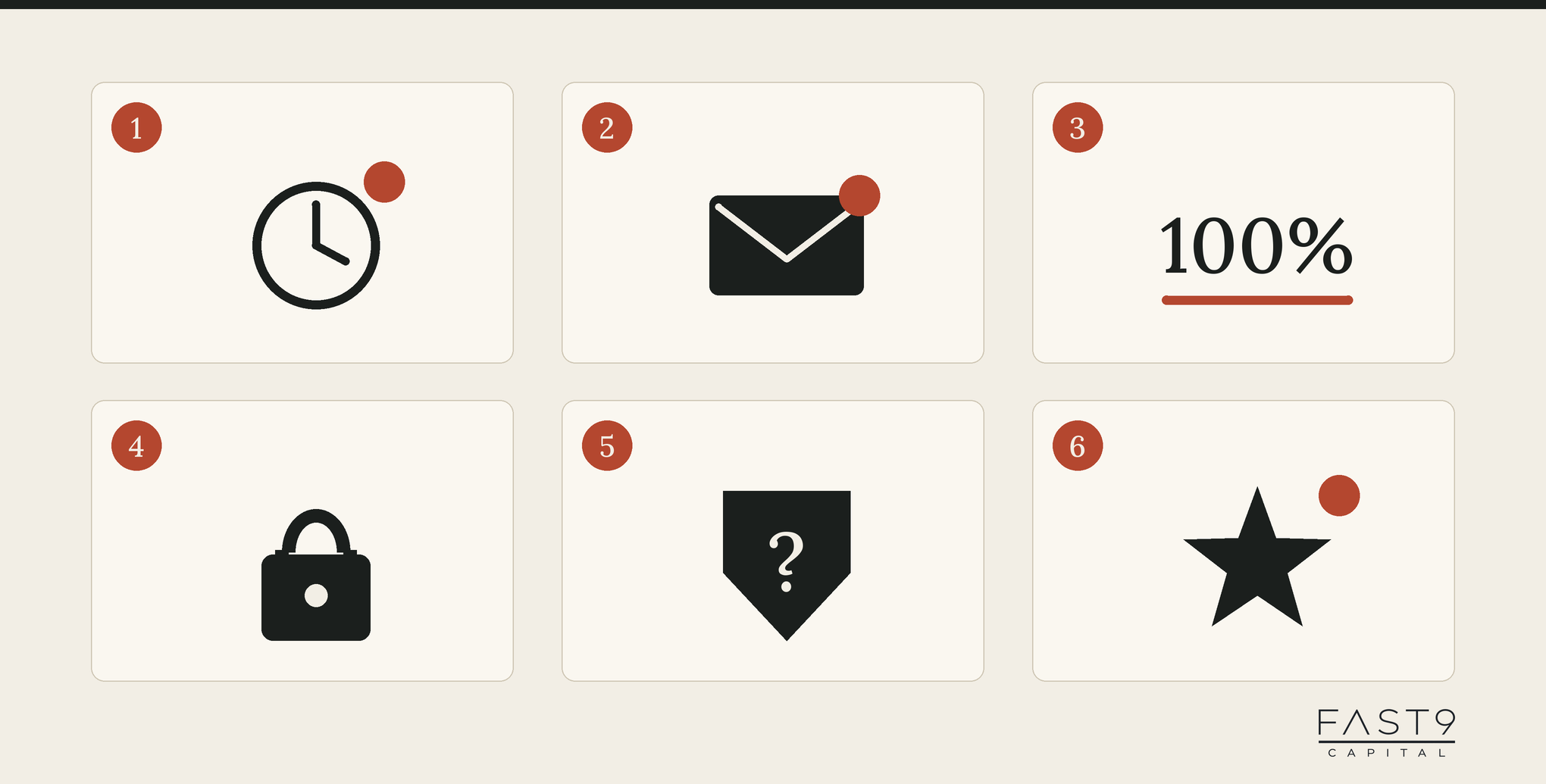
1. Pressure to act fast
“Limited spots,” “offer ends tonight,” “deposit now to lock in the rate.” Real providers let you take your time and read the terms.
2. Contact you didn’t ask for
Be careful with unexpected messages on social media, messaging apps, dating apps or cold calls that lead to investing. Many scams start as a friendly chat.
3. Guaranteed or unusually high returns
No investment can guarantee profit. Phrases like “risk-free,” “guaranteed 20% a month” or “can’t lose” are classic warning signs. Be careful with any provider that promises results instead of explaining the risks.
4. Trouble withdrawing
A common pattern is that deposits are easy, but withdrawals bring new excuses, such as extra “tax,” “unlock” or “verification” fees. Never pay more money to get your own money out.
5. No clear license or identity
Vague company details, no registration number, no named team, or a name that doesn’t match the license. Check who actually runs the platform.
6. Fake endorsements and testimonials
Celebrity photos, videos or “success stories” can be fabricated, and AI-made deepfakes are on the rise. Don’t treat an endorsement as proof.
More warning signs: requests to pay by cryptocurrency, gift cards or personal bank transfers; a strategy nobody can explain clearly; a “recovery” service that contacts you after a loss and asks for a fee.
A four-step check before you invest
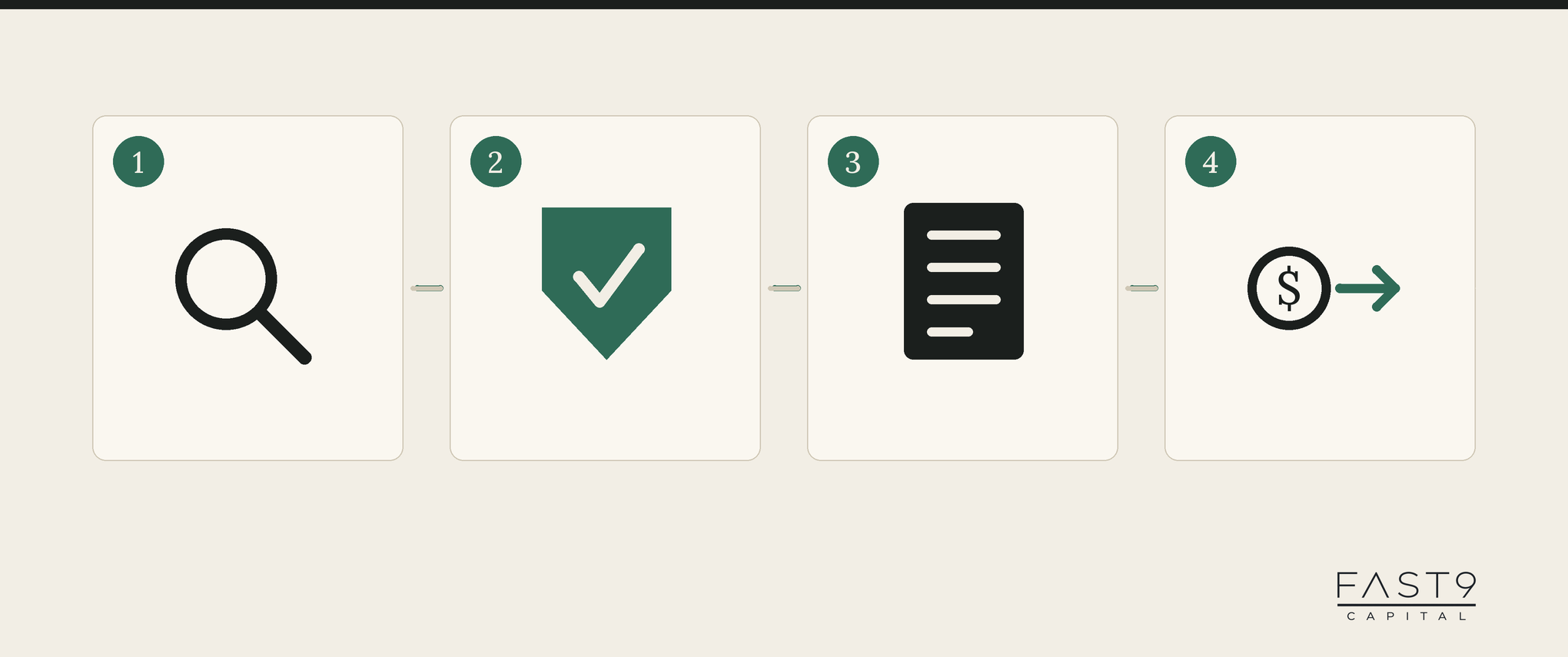
- Search the name. Look up the company name plus words like “scam,” “review” and “complaints.” Look at independent sources, not just the provider’s own site.
- Check the license. Find the regulator named by the provider and look the company up on the regulator’s own website. Don’t rely on a logo or certificate shown on the provider’s page. Also check your country’s regulator for investor warning lists
- Read the terms. Look for fees, lock-ups, withdrawal rules and risk warnings. If the documents are missing or unclear, walk away.
- Start small and test a withdrawal. Invest an amount you can afford to lose, then try taking some out before you add more.
If you think you’ve been scammed
- Stop sending money. Don’t pay “fees” to recover your funds.
- Keep records: screenshots, emails, chat history, wallet addresses and transaction receipts.
- Contact your bank or card provider right away.
- Report it to the police and to your country’s financial regulator or consumer protection agency.
- Be careful with “recovery” offers. Scammers often target people who have already lost money.
Protect your accounts
- Use a unique password for each account and turn on two-factor authentication.
- Never share passwords, one-time codes or card details with anyone who contacts you.
- Check the web address before you log in, since phishing sites copy real ones.
How to judge any provider, including us
At Fast9 Capital, we want you to check us as carefully as you’d check anyone. Here is what we publish so you can:
- Fees stated plainly. No management fee. A 40% performance fee applies only to new net profits above a 5% hurdle, after a high-water mark.
- Targets, not guarantees. Our figures are strategy targets, and trading carries risk, including loss of capital.
- No lock-in. You can deposit, scale or withdraw, so test it with a small amount first.
- A low starting point. The minimum is $1,000, so you can begin small.
- Contact you can use. Reach the team through the contact form on our site, and ask us anything about our license, strategy and terms.
- A rule we keep: we never ask for passwords or card details by email. Don’t take our word for it. Run the four-step check on us too.
Ready to look closer? Open an account → or ask the team your questions first.
Key takeaways
- Scams rely on urgency, excitement and trust, so slow down.
- Be wary of guaranteed returns, smooth profits and pressure to act.
- Verify the company and its license through the regulator’s own site.
- Start small and test a withdrawal before adding more.
- Never pay extra fees to get your own money back.
FAQ
What is the biggest red flag in an investment?
Guaranteed or unusually high returns with little or no risk, often with pressure to act quickly.
How can I check if an investment company is legitimate?
Search for independent reviews and complaints, then verify the license on the regulator’s own website. Don’t rely on certificates shown on the company’s page.
Can I get my money back after a scam?
Sometimes, but it’s hard. Contact your bank, report it to the authorities, and avoid anyone who offers recovery for an upfront fee.
Is a high return always a scam?
Not always, but high returns carry high risk, and no one can guarantee them. Check how the returns are calculated, the fees, and whether they’re targets or audited results.
Trading carries risk. This article is for education only and is not financial advice. Targets do not guarantee future results.